
If you're house-hunting in the Yadkin Valley or checking your renewal in Elkin, you might notice a small iron fixture on the curb. To most, it’s a fire hydrant. To an insurance agent like me at Bill Layne Insurance, it’s a "Premium Slasher."
As we navigate 2026, insurance rates in North Carolina are more data-driven than ever. One data point remains king: How fast can the fire department put out a blaze? Let’s break down exactly why that 1,000-foot measurement is the magic number for your wallet.
2026 Premium Comparison: Protected vs. Unprotected
| Proximity to Hydrant | ISO Class | Est. Annual Premium | Potential Savings |
|---|---|---|---|
| Under 1,000 Feet | Class 1-5 | $1,250 | 42% |
| 1,001 - 2,500 Feet | Class 9 / 9E | $1,840 | 15% |
| Over 5 Miles from Station | Class 10 | $2,150+ | 0% (Base) |
What is the ISO Rating and why does it matter?
The **Insurance Services Office (ISO)** assigns a Public Protection Classification (PPC) to fire districts on a scale of 1 to 10. Class 1 is elite; Class 10 means you’re essentially on your own.
To qualify for a lower (better) class, your home must generally meet two criteria:
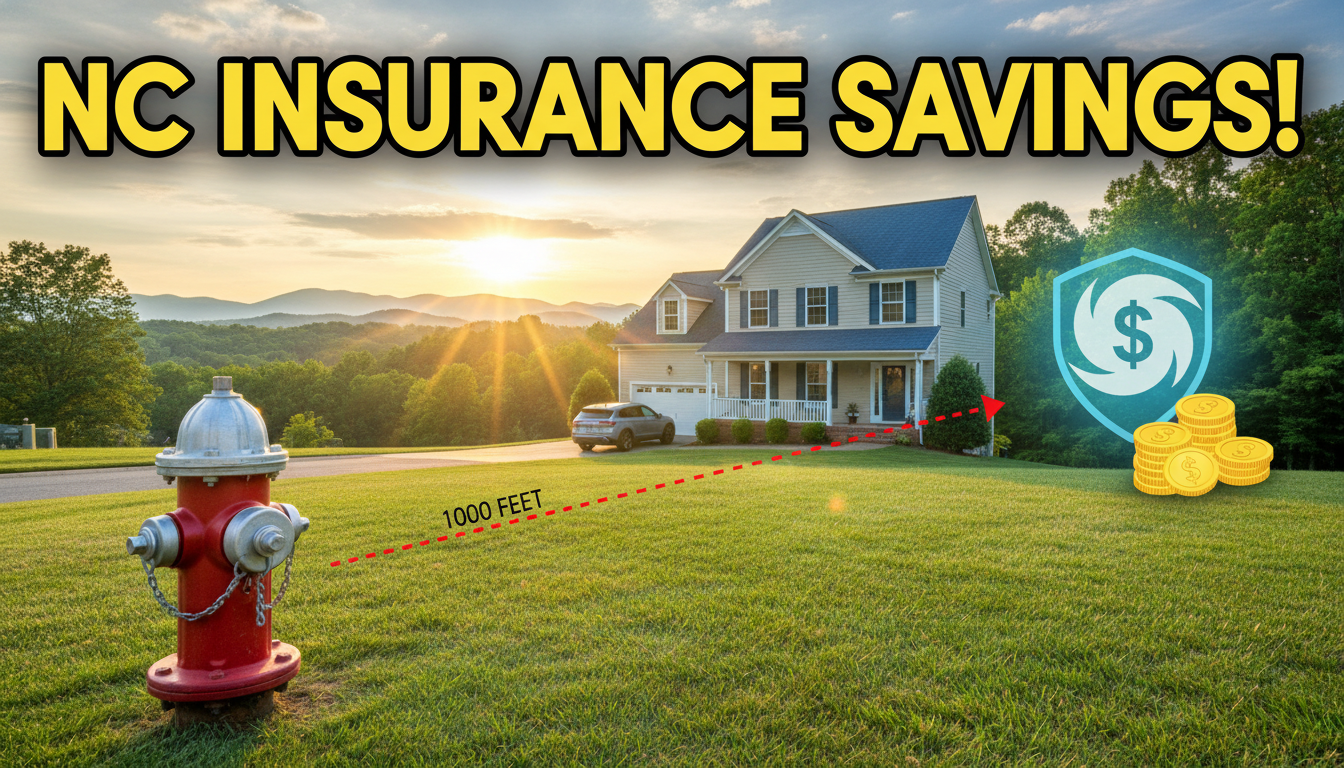
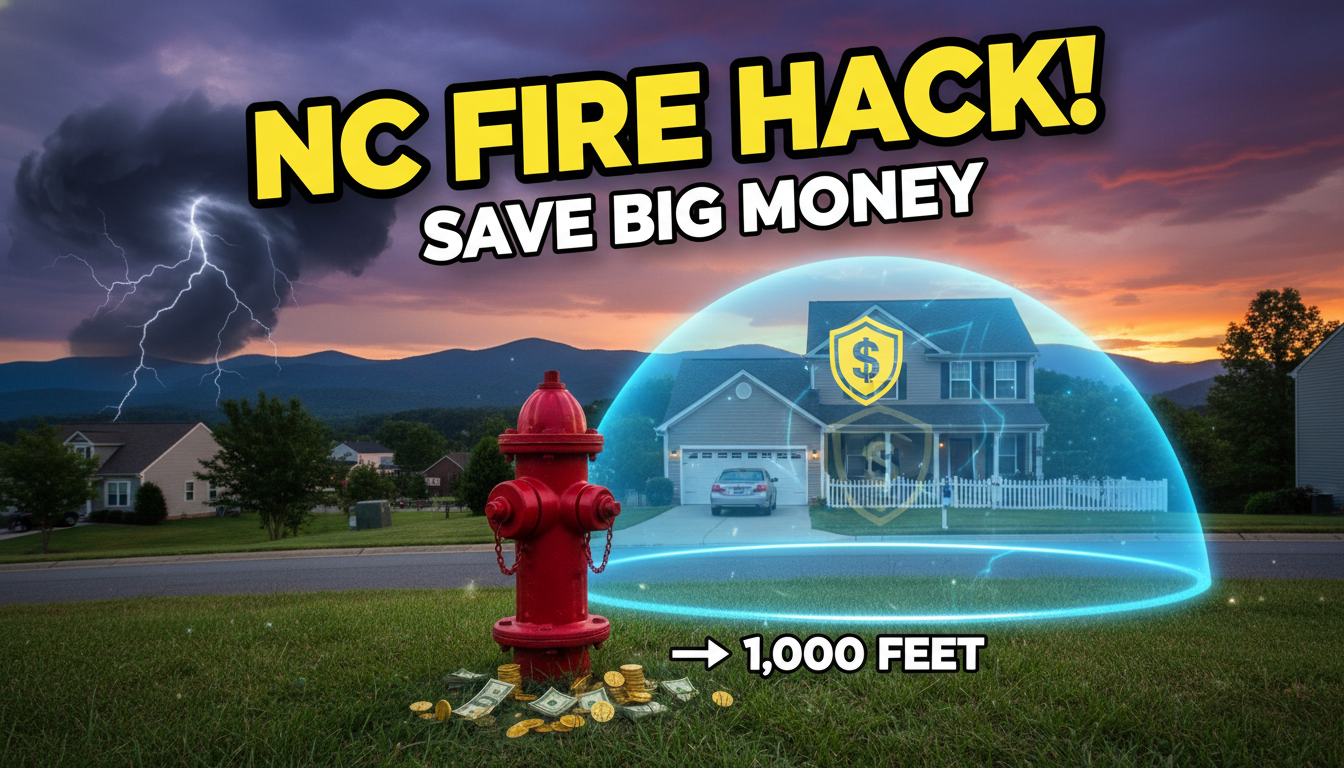
- Hydrant Distance: Must be within 1,000 feet.
- Station Distance: Must be within 5 road miles of a recognized fire station.
📍 The Elkin & Surry County Edge
In our neck of the woods (Surry, Yadkin, and Wilkes), many rural homes fall into "Split Classes." For example, a home in Jonesville might be rated 5/9E. If you are within 1,000 feet of a hydrant, you get the Class 5 rate. If not, you default to the more expensive 9E rate.
"Bill saved us $800 just by verifying the new hydrant at the end of our cul-de-sac that the carrier hadn't logged yet!" – Sarah T., Mount Airy
NC Specifics: Consent to Rate (CTR) and Hydrants
In North Carolina, the **NCRB (NC Rate Bureau)** sets manual rates. However, if your home is a Class 10 (unprotected), many companies will use a **Consent to Rate (CTR)** form to charge you 50-100% above the state cap because the risk of a total loss is so high. Having a hydrant nearby is your best defense against being forced into a CTR policy.
How to Verify Your Hydrant Distance
- The Wheel Method: Use a measuring wheel to track the road distance from your driveway to the nearest hydrant.
- Google Maps: Use the "Measure distance" tool (stay on the roads, as hoses follow roads, not "as the crow flies").
- Call Your Dept: Contact the Elkin Fire Department or your local station for their PPC map.
🧮 NC Hydrant Savings Estimator
Enter your estimated current annual premium:
Frequently Asked Questions
Sources & References:
- North Carolina Department of Insurance (NCDOI) - Office of State Fire Marshal (OSFM)
- North Carolina Rate Bureau (NCRB) - 2026 Homeowners Manual
- ISO Mitigation (Verisk) - Public Protection Classification Program