
01
Home + other structures
Open perils: your home
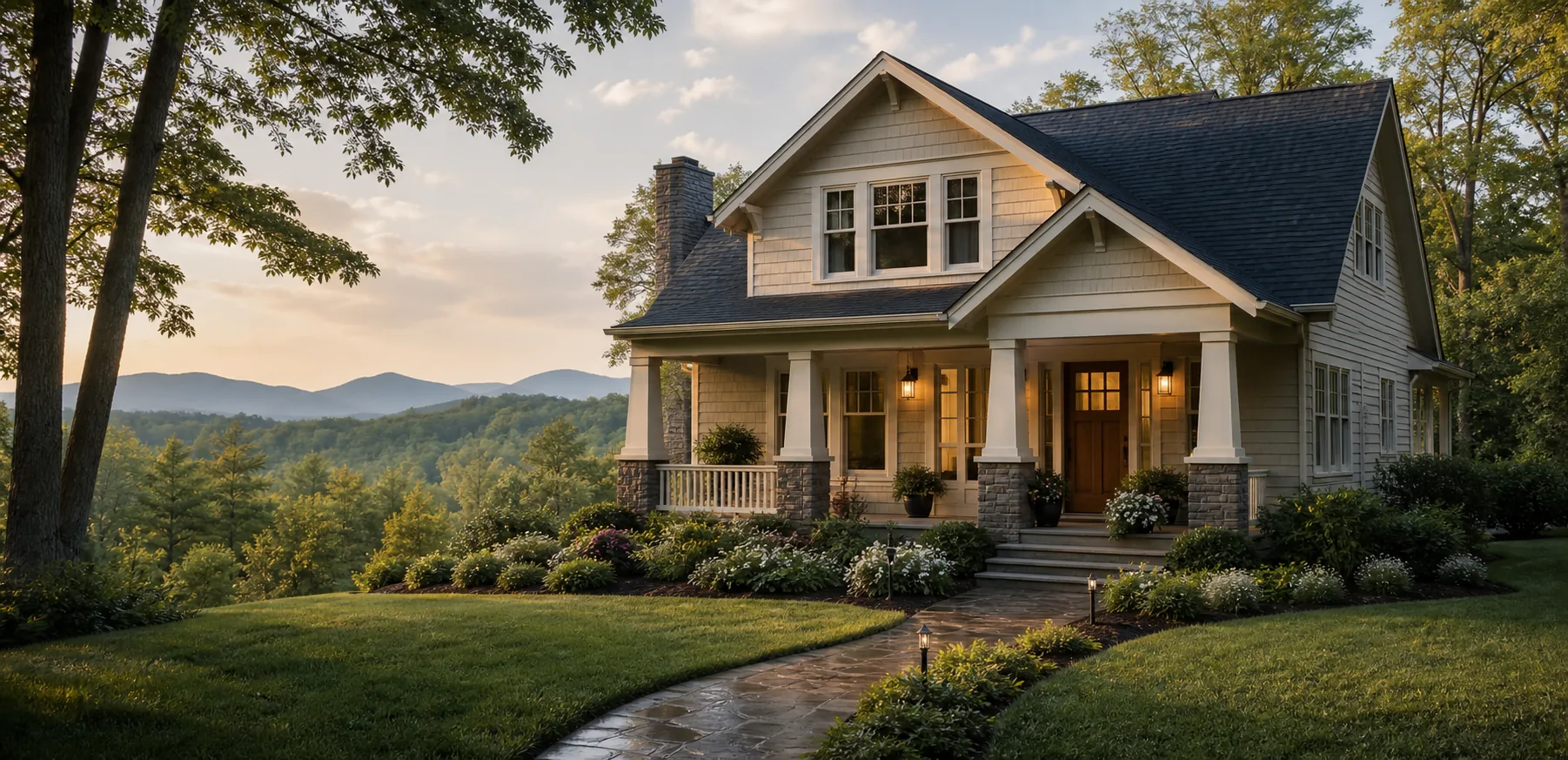
Your home and detached buildings are usually covered for physical damage unless the policy says the cause is not covered.
The policy lists what is not coveredNC Home Insurance Field Guide
A simple guide to what an HO-3 policy covers, what it may not cover, and how coverage limits work.
The 60-second answer
Insurance companies call the cause of damage a peril. Fire and wind are examples. Your home follows one set of rules. Your belongings follow another.
Home + other structures
Your home and detached buildings are usually covered for physical damage unless the policy says the cause is not covered.
The policy lists what is not coveredYour belongings
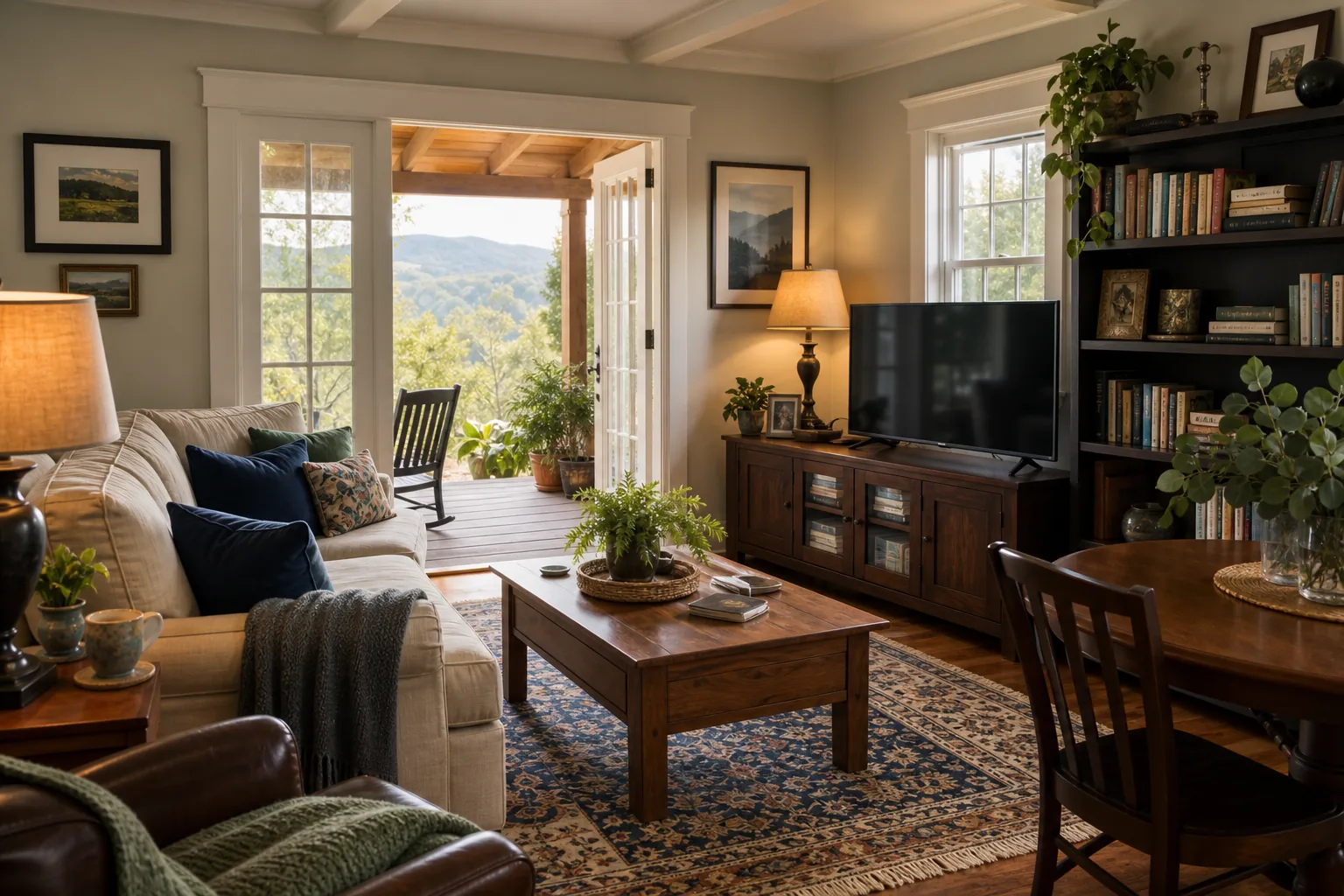
Your belongings are usually covered only when the cause of damage is listed in the policy.
The policy lists what is coveredWords to know
Inside your policy
Coverages A–D help protect your home, belongings, and extra living costs. Coverages E–F may help if someone is hurt or you damage another person's property.
Coverage A / Dwelling
Helps repair or rebuild your home after covered damage.
Coverage B / Other structures
Helps cover buildings and structures that are not attached to your home.
Coverage C / Personal property
Helps repair or replace belongings damaged by a cause listed in the policy.
Coverage D / Loss of use
Helps pay extra costs when covered damage makes your home unsafe to live in.
Coverage E / If you cause harm
May help with covered costs if you are legally responsible for injuring another person or damaging their property.
Coverage F / Medical payments
May pay a guest's covered medical bills after an accidental injury on your property. This can often apply even if you did nothing wrong.
*These percentages are common starting points from the NC Department of Insurance. They are not a promise about your policy. Check your policy summary, called the declarations page, for your actual limits.
Covered causes of loss
Insurance companies call the cause of damage a peril. The coverage rules are different for your home and your belongings.
Read the NC DOI consumer guide*Wind or hail may be excluded or handled separately in some NC coastal areas. Deductibles and exclusions vary.
Read this before a loss
A basic policy may not cover every risk. You may be able to add coverage with a policy add-on, called an endorsement, or buy a separate policy.
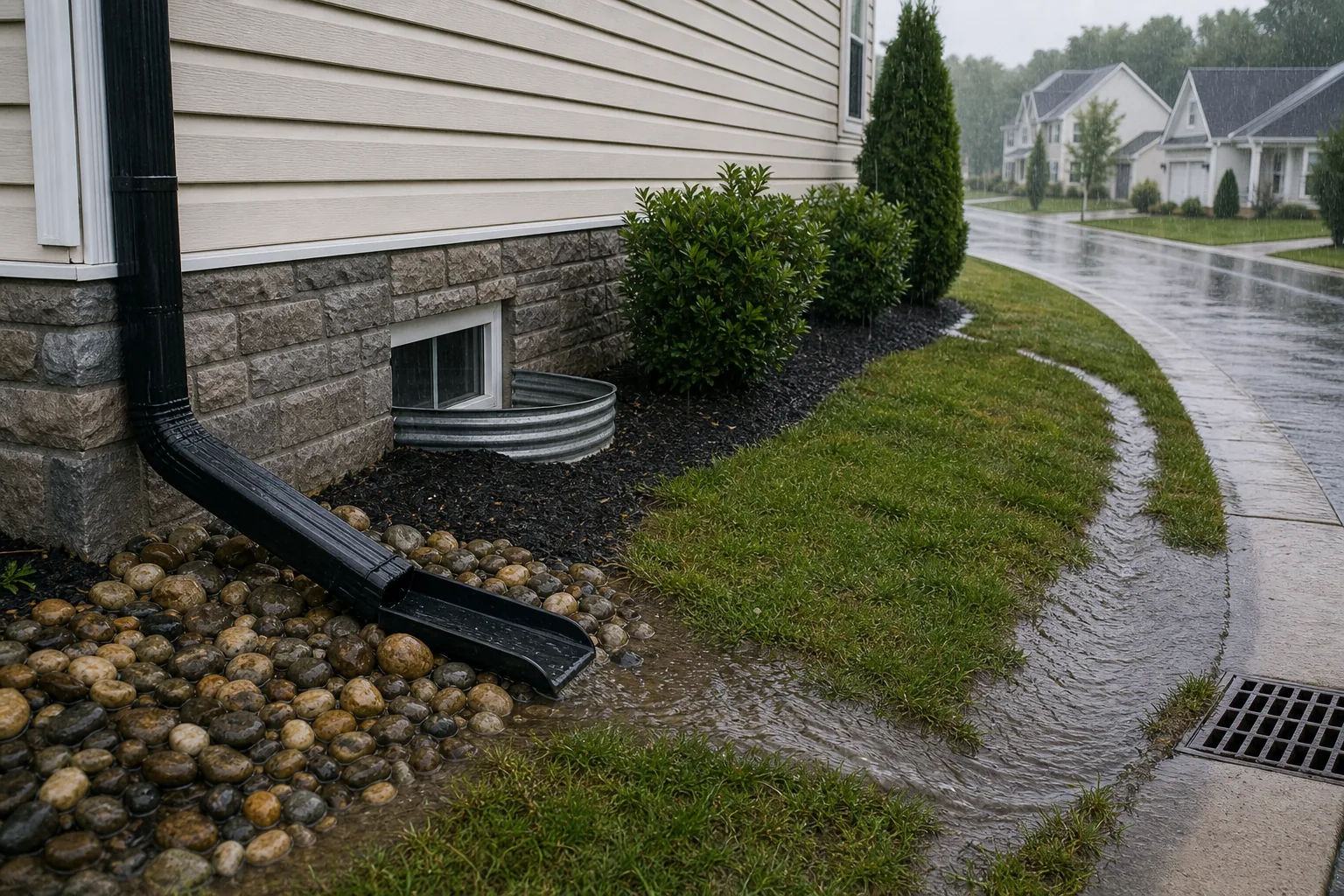
Rising surface water and flooding are not covered by a standard homeowners policy. Flood insurance is separate.
Ask about flood insuranceDamage from earthquakes, mudslides, mudflows, and landslides is usually not covered. You may be able to buy an earthquake add-on.
Ask about earthquake coverageA basic policy usually does not cover water or sewage that backs up through a drain or overflows from a sump pump.
Ask about a water-backup add-onHome insurance is meant for covered sudden damage. It does not pay for normal aging, rot, poor upkeep, or regular repairs.
Know your roof and system conditionJewelry, guns, art, cash, and collectibles may have lower dollar limits or fewer types of loss covered.
Ask about extra coverage for valuablesA home business, short-term rental, or property rented to others may limit or remove some coverage.
Tell your agent how the home is usedThe NC Department of Insurance says most home policies do not cover flood, earthquake, mudslide, mudflow, or landslide. Wind or hail may also be left out in some cases.
View the official NC overviewTip: the declarations page is your policy summary. The full policy and its add-ons contain the rules.
The most useful five minutes
Two HO-3 policies can cover different things. Deductibles, roof rules, add-ons, special dollar limits, and company rules can change what the policy pays.
“Can you show me what is not covered, has a lower limit, or is paid after subtracting for age and wear?”
That is the most valuable question to bring to a policy review.
Practical homeowner guides
Use these quick guides now, before a storm, fire, theft, or water loss makes things stressful.

Guide 01
Guide 02
Guide 03
Common questions
Open each answer. Then check the forms listed on your own policy summary.
Ask Bill Layne Insurance a questionNo. An HO-3 policy covers many risks, but it does not cover everything. Your home and detached buildings are usually covered unless the policy excludes the cause of damage. Your belongings are usually covered only for causes listed in the policy. Limits, deductibles, rules, and add-ons still apply.
A roof may be covered if a covered event, such as wind or hail, caused the damage. The roof's age and condition, your deductible, the way the policy pays roof claims, and any roof add-ons can change the payment.
Some sudden and accidental water damage, such as damage from a burst pipe, may be covered. Flooding, slow leaks, poor upkeep, and water that backs up through drains are different. They may not be covered or may need extra coverage. Where the water came from matters.
Not always. A policy may have lower dollar limits for jewelry, art, guns, cash, collectibles, and other valuables. You may be able to list valuable items on a policy add-on for higher limits or wider coverage.
Usually not. Coverage A is based on the estimated cost to rebuild your home. It is not based on the sale price, mortgage balance, or land value. Rebuild cost may be more or less than market value.
No. A claim decision depends on your exact policy, its add-ons, what happened, what caused the damage, and the insurance company's review. This guide is for learning only. It cannot start or change coverage or decide a claim.
Bring the guide to your real policy
We will review your policy summary, deductibles, add-ons, and common gaps in simple terms—without the hard sell.